
Organic produce: narrowing the gap with conventional
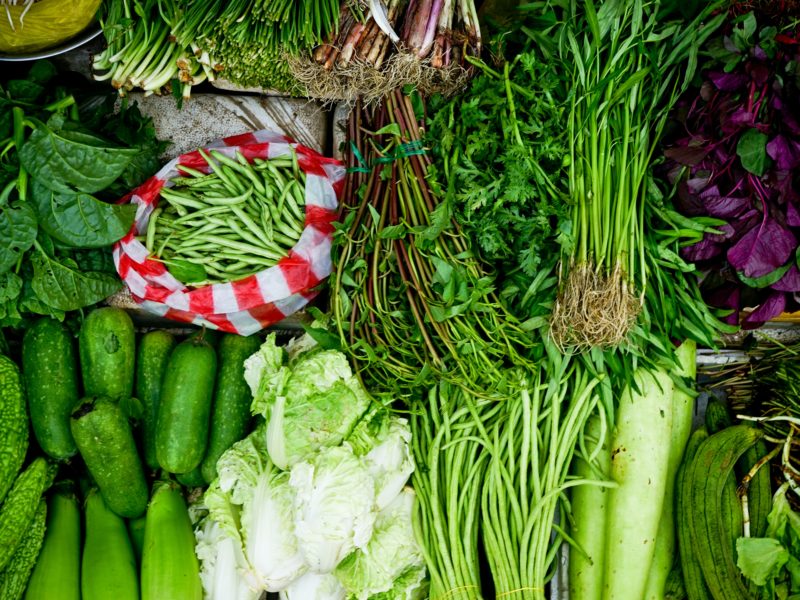
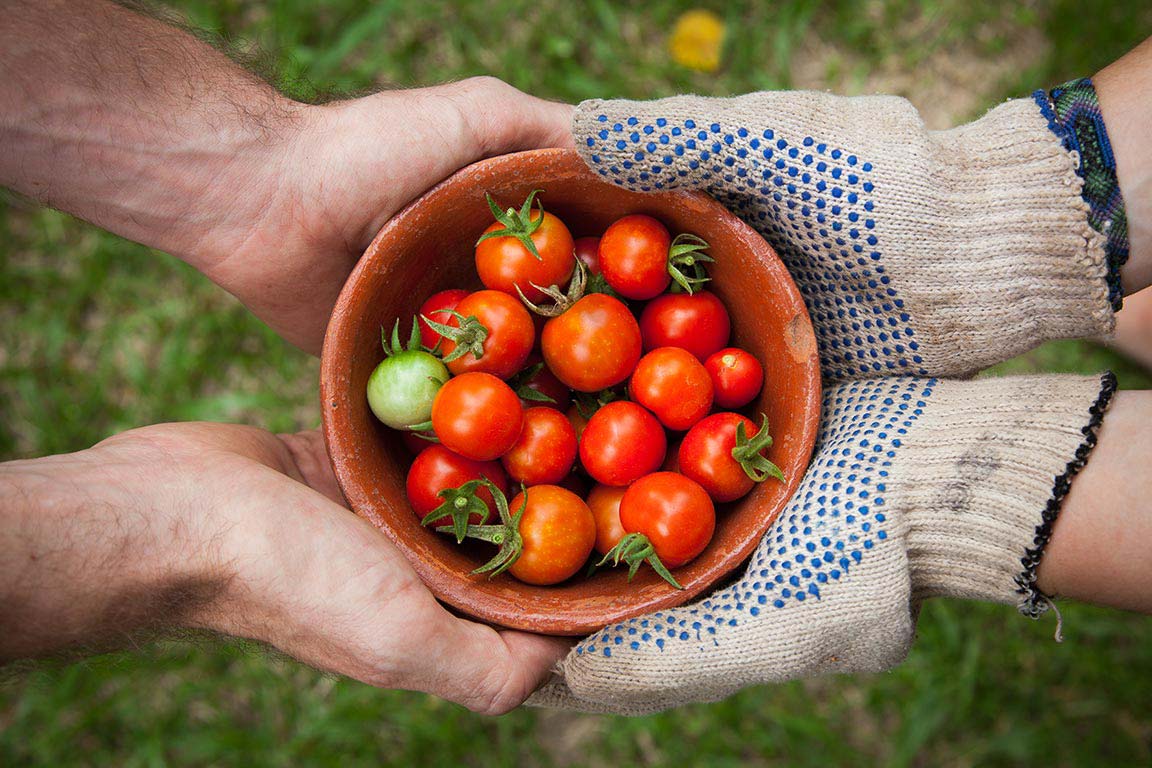
As volumes grow and higher-quality varietals enter the mix, organic fruits and vegetables are becoming a more attractive — and more affordable — option for grocery retailers and their customers. Demand for organic vegetables remains strong and continues to grow, said Joanna Jaramillo, marketing manager for organic specialist Wholesum.“Shoppers increasingly recognize organic as a trusted standard for products grown without synthetic chemicals and produced with care for both people and planet.”
Small Farms Growing Stronger Roots in South Dakota Farm-To-Table Movement
Some South Dakota farmers are keeping their organic farms financially strong in diverse ways, including hosting tours, cooking and gardening classes, community festivals and offering camping spots and renting out a house in the middle of the farm.
USDA’s New Regenerative Ag Program, Called Greenwashing, Diverts Resources Needed for Organic Transition
In a press release published on December 10, 2025, the U.S. Department of Agriculture (USDA) announced the creation of “a $700 million Regenerative Pilot Program to help American farmers adopt practices that improve soil health, enhance water quality, and boost long-term productivity, all while strengthening America’s food and fiber supply.” The agency specifically ties the program to Make America Healthy Again (MAHA), diverting resources that could be used to support organic transition and phase out pesticides that are clearly defined as prohibited by USDA’s National Organic Program under the Organic Foods Production Act (OFPA), but allowed in regenerative agriculture programs. Regenerative agriculture, embraced by major food companies, has been identified by Beyond Pesticides and many organizations as greenwashing because it typically allows wide use of weed killers and other petrochemical pesticides and is not defined as a transition to organic practices and compatible products.
To Be Truly Regenerative You have to Be Organic
Telmont becomes the first Champagne House to obtain the certification Regenerative Organic Certified® (ROC™), setting a new path in Champagne for soil regeneration and future-forward agricultural practices.